Drugs in tennis: ITIA chief explains why former Wimbledon champion was banned for four years


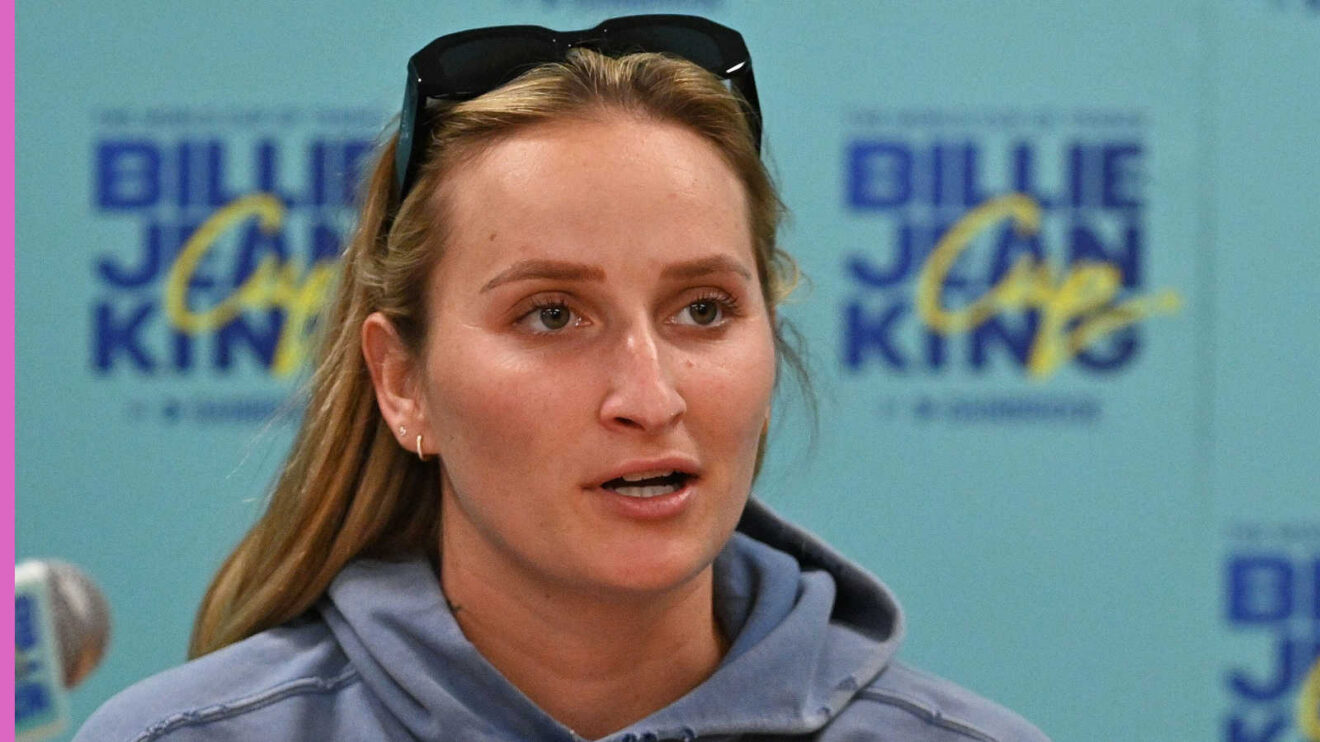
Former Wimbledon champion Marketa Vondrousova was handed a four-year ban last month after she refused to take a doping test, with the fall-out from that decision sending shockwaves through tennis.
The 2023 Wimbledon winner was banned after she refused to submit a sample to a doping control officer during an out-of-competition test attempt at her home last December.
Vondrousova claimed concerns for her safety as well as stress and poor mental health, contributed to her decision not to open the door to the official, but the International Tennis Integrity Agency (ITIA) charged her for refusing to submit a sample.
Following a hearing, an independent tribunal found that the evidence offered by the Czech player had “no compelling justification” for the test refusal.
The former world No 6 posted a lengthy statement on social media following the ITIA announcement, writing that she has never failed a dope test adding: “Just three days after the incident that ultimately changed my life. I was tested again.
More Tennis News
Marketa Vondrousova ‘made it clear she was refusing a test’ and ‘left her apartment to walk her dog’
Marketa Vondrousova told her tennis career has been given a ‘death sentence’ after ban
“The result was negative, just like every test before it. The past seven months have been the hardest of my life. Seven months of waiting.”
Now, ITIA chief Karen Moorhouse has given a detailed breakdown of the case, as she spoke to former British No 1 Greg Rusedski and Tennis365’s Kevin Palmer in the latest episode of Off Court with Greg Rusedski podcast.
In an exclusive extract of the podcast published first on Tennis365, Moorhouse outlined why Vondrousova faced such a serious punishment.
We really recognise that it’s a significant sanction and therefore I totally understand that initial reaction that people have to the length of the sanction,” began Moorhouse.
“Just taking a step back, the reason for that is that the framework sets out that you can’t be in better position by refusing to take a test than you would be by taking a test and testing positive.
“So that four years is aligned with the starting point for testing positive for a prohibited substance.”
When pressed by Rusedski on the Vondrousova ban, Moorhouse added: “So the starting point is four years, but she can still put her case to a tribunal and appeal panel. And the panel will decide whether there is a compelling justification for that ban to be reduced from that starting point of four years, or indeed removed entirely.
“They can take into account everything that the player puts in front of them in terms of why she had a compelling justification not to take the test.
“The rationale for the form is, in part, to try to make sure that players understand that they are refusing a test. So therefore, while it’s relevant and it is a factor, the fact she signed that form doesn’t mean that she couldn’t get the band reduced below four years.”
Moorhouse went on to outline the ITIA’s eagerness to educate players over the issues around doping control, with Vondrousova’s apparent lack of understanding of the magnitude of her decision not to take the test a factor in this case.
“Education is really important for us,” she added. “It’s the starting point of where we want to be. Every player who takes part in any of our funders events is required to do some online education.
“We also supplement that with doing face-to-face education sessions at key points in players’ development. We have a real focus on junior players. We want to make sure that the first interaction any junior player has with the ITIA is through an education session, through having a conversation with one of my team, rather than it
“Everyone in the sport has got a responsibility to make sure that players understand the anti-doping programme rules and also understand the steps that they have to take to comply with that.
“And that responsibility sits with us, it sits with the players themselves and also really crucially everyone who surrounds those players, the coaches and agents who can all influence what a player’s doing.
“Ultimately, all of the players train incredibly hard and spend hours on the court to perfect their game. We need to make sure collectively that they’re also dedicating the right time to understanding the rules off the court.”
Moorhouse also goes into detail on historic doping cases involving Jannik Sinner and Iga Swiatek in an episode of the Off Court with Greg Rusedski podcast that will be released on Monday.
READ NEXT: True cost of Jannik Sinner’s ‘very odd’ drug ban revealed as he misses out on a big prize