Wimbledon’s £64.2m prize money boost won’t silence players, warn finance experts


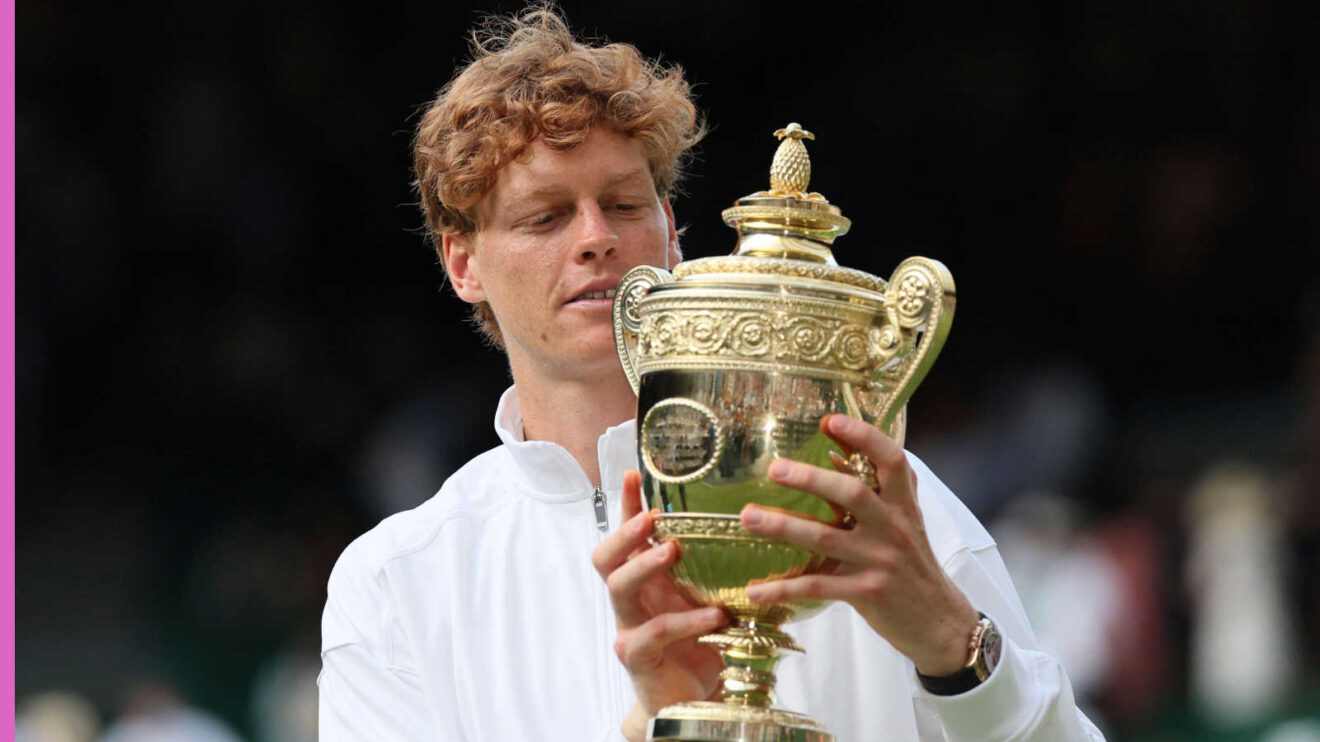
A sports finance expert believes Wimbledon’s decision to increase prize money by 20% is a “smart” move but won’t settle the ongoing revenue share debate.
On Thursday, it was revealed that Wimbledon would increase its total prize money pot to £64.2m, up from £53.5m from 2025.
The All England Club announced that this year’s men’s and women’s singles champions will earn £3.6m each, up from £3m, and the first-round losers will now receive £80,000 – £14,000 more than in 2025.
However, the players reportedly wanted a pot of around £70m and a tournament revenue share of 16%. Wimbledon, though, have ostensibly capped that at 15.15%.
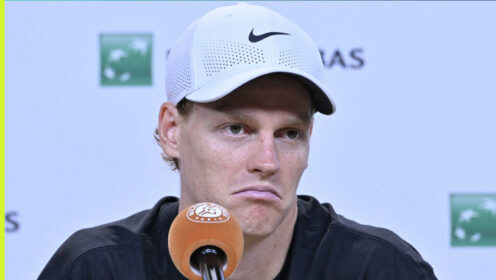
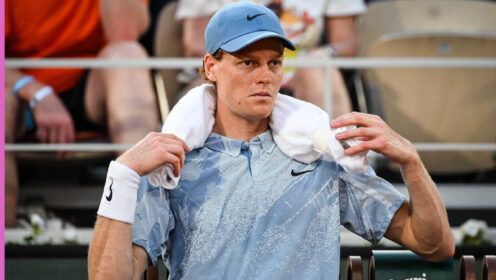
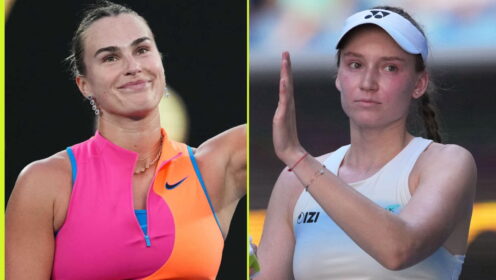
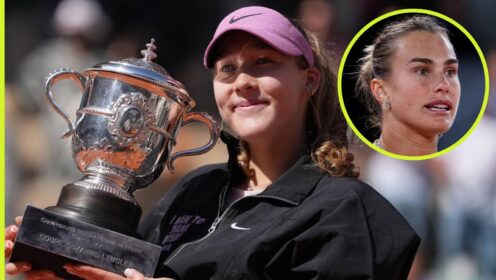
Aryna Sabalenka was open to the idea of a Grand Slam boycott after French Open figureheads dropped the tournament’s revenue share to under 15%, with Jannik Sinner also saying players don’t get the respect they deserved.
More Wimbledon News
Victoria Mboko posts short reply after Serena Williams sends message to injured Queen’s star
Serena Williams’ Wimbledon return looks imminent after tournament’s blunder
Want more from Tennis365? Add us as a preferred source on Google to your favourites list for tennis coverage you can trust.
Prior to the French Open, Professor Rob Wilson told Tennis365 that top players needed to put on a united front to push through their demands.
He correctly predicted that there would be an uptick in prize money at SW19 and now he has delivered a fresh take on this thorny topic.
He said, “I think it’s a smart move from Wimbledon in the short term. A 20% increase is hard to dismiss, especially with first-round losers going from £66,000 to £80,000. That’s meaningful for a lot of players, not just the top names.
“The more interesting bit is the revenue share. If they’re effectively at just over 15%, that’s progress, but it’s still some way off what the players are ultimately pushing for at 22% (which is what the Masters events on the ATP and WTA Tours provide).
“So I can see why this might take some heat out of the situation for now, but I don’t think it settles the broader debate. My guess is it probably reduces the likelihood of any immediate protests or coordinated action during Wimbledon itself, because the optics of rejecting a 20% rise would be tricky.
“But if revenues keep growing and players feel they’re not getting a proportional share, I suspect the pressure comes back pretty quickly. So overall, smart politically from Wimbledon, buys them some breathing room, but I’d be surprised if this is the end of the conversation.”
Professor Kieran Maguire, who runs The Price of Football podcast, stated that Wimbledon will still be in a strong financial situation despite significantly increasing the prize money on offer.
He told Tennis365, “The AELTC (LTD), which funds Wimbledon, generated revenue of £423m in 2025. That compares to any Premier League football club and is just behind the ‘Big Six’ (Arsenal, Chelsea, Liverpool, Manchester United, Manchester City, Tottenham).
“Unlike football, it generated a handsome profit of £54m, which was mainly then distributed to the good causes of the grassroots of the LTA itself.
“The LTA does have a lot of capacity to increase the amount of pay-outs to players because the accounts do look very comfortable. There was cash of over £47m in the bank account.
“These accounts would be the envy of many other governing bodies in sports. Whilst it is a substantial increase in the potential pay-out to players, in order to keep in line with the other Grand Slams it won’t be a problem.
“It continues to be an event which is incredibly popular with broadcasters, sponsors and the paying public and those three revenue sources will be more than enough to pay the players the increased costs of participation in terms of prize money.”
The AELTC paid the Lawn Tennis Association £48.1m last year. This is part of an agreement where they pass on 90% of its profits to the governing body.
Despite calls for higher percentages when it comes to revenue shares, the chair of the All England Club, Deborah Jevans, said that wasn’t a helpful metric.
She told BBC Sport, “We don’t look at percentages, we don’t actually believe that is the right metric. It is one metric that is based purely on revenue and doesn’t take into account any costs and we cannot run a business in that way.
“We have expenses – we have spoken about infrastructure and investment in grass court tennis. You cannot run a sustainable business, and we have nearly been around for 150 years, just by looking at revenue. That is just plainly wrong.”
Discussions are likely to continue ahead of the US Open announcing its prize money pot later this summer.